










🌿 Antipas, Cotabato
Welcome to Antipas, a progressive municipality nestled in the lush valleys of North Cotabato. Known as the “Agro-Industrial Hub of Arakan Valley”, Antipas is where the charm of rural living meets the pulse of modern development. With its cool climate, thriving agriculture, and friendly people, Antipas is a hidden gem perfect for eco-adventurers, foodies, and cultural explorers.
🏞️ Landmarks and Tourist Attractions
Though small in size, Antipas offers natural beauty and peaceful getaways for those looking to escape the usual tourist trails:
- Malasila Nature Park and Hot Spring – A relaxing spot with hot spring pools, perfect for unwinding while surrounded by nature
- Kirongdong Peak – A scenic hiking destination offering panoramic views of the Arakan Valley
- Kalantungan Falls – A multi-tiered waterfall tucked deep within the forest, ideal for trekkers and nature lovers
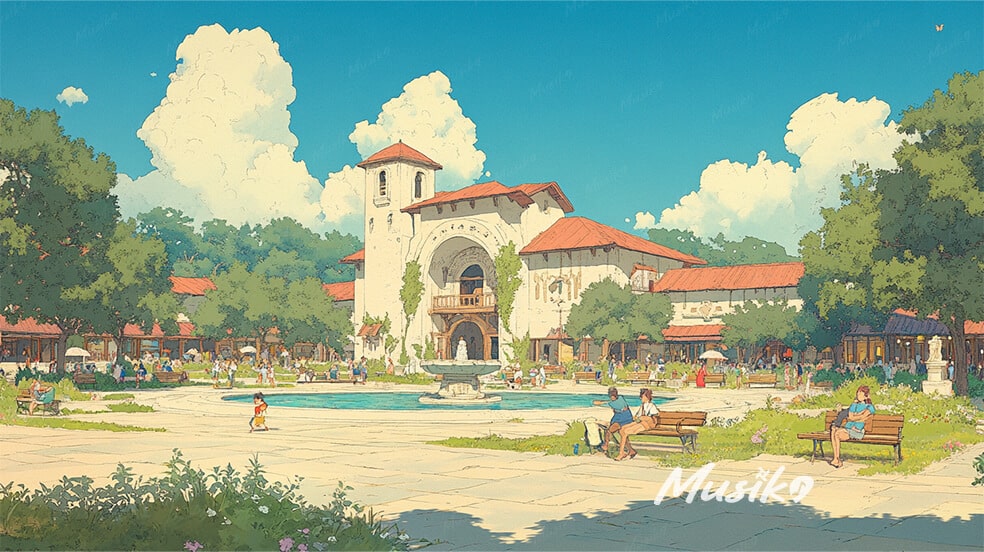
- Antipas Plaza – A local favorite for family strolls, events, and street food
- Agri-tourism farms – Visit integrated farms and learn about local farming innovations in this agricultural powerhouse
Whether you want a peaceful hot spring soak or a breathtaking nature trek, Antipas delivers with heart and scenery.
🎭 Culture and Language
Antipas is home to a diverse population of Cebuano-speaking settlers, Indigenous tribes (mainly Manobo), and Muslim communities, creating a peaceful mix of traditions and beliefs. This blend is reflected in daily life, from food to festivals and local customs.
Languages spoken include Cebuano, Ilocano, Maguindanaon, and Filipino, with English used in schools and public offices. Respect, hospitality, and a deep connection to nature are core values that shape life in Antipas.
🎉 Kalivungan Festival Participation
While Antipas has its own municipal events, it actively participates in the grand Kalivungan Festival, celebrated annually across North Cotabato every August. The word “Kalivungan” means “gathering” in the Manobo language.
This province-wide festival features:
- Colorful ethnic street dancing
- Float parades showcasing local crops and native arts
- Tribal games and music performances
- Farmers’ fairs and local food showcases
Antipas proudly joins this celebration by highlighting its agricultural success, tribal roots, and community pride.
🍛 What to Eat in Antipas
Food in Antipas is as rich as its soil! Here are a few must-try local favorites:
- Chicken Piaparan – A spicy, creamy Maguindanaon chicken dish with turmeric and coconut milk
- Sinuglaw – A tangy combo of grilled pork and vinegar-marinated fish
- Balbacua – A slow-cooked beef stew with peanuts and spices, popular in Mindanao
- Cassava Cake and Nilupak – Local desserts made with root crops, perfect for merienda
- Fresh fruits and veggies – Straight from the farm, especially sweet bananas and pineapples
Most meals are made using homegrown ingredients, adding to the authenticity and flavor.
🎶 Music and Community Spirit
Music in Antipas reflects the diverse cultural influences of its people. During festivals and town events, you’ll hear:
- Indigenous drumming and chants from the Manobo tribes
- Visayan folk songs performed with guitars or ukuleles
- Modern OPM at community karaoke nights and local concerts
Whether it’s a fiesta or a quiet evening by the plaza, music is always part of life in Antipas.
🌾 What is Antipas Known For
Antipas is best known as:
- The Agro-Industrial Capital of Arakan Valley
- A top producer of rubber, bananas, corn, and sugarcane
- A gateway to nature tourism in Cotabato
- A community that blends progress with tradition
- A peaceful, eco-friendly town with cool highland weather
For travelers, Antipas offers a perfect mix of nature, culture, and community pride, making it a place worth discovering.
📌 Travel Tips
- Best time to visit: August (Kalivungan Festival) or December to February (for cooler weather and mountain hikes)
- How to get there: From Davao City or Cotabato City, take a van or bus to Kidapawan, then travel to Antipas via local transport
- What to pack: Light jackets, hiking gear, reusable water bottles, and an appetite for home-cooked food
