






🌄 Malungon, Sarangani
Welcome to Malungon, the highland haven of Sarangani Province, where cool mountain breezes, cultural richness, and agricultural abundance come together in perfect harmony. Often overlooked for its coastal neighbors, Malungon offers something different, rolling hills, tribal traditions, and fresh farm-to-table delights that make it a must-visit upland escape in Southern Mindanao.
If you’re searching for a destination with nature, heritage, and peaceful countryside vibes, Malungon is your next travel treasure.
🏞️ Landmarks and Tourist Spots
While Malungon doesn’t boast flashy beaches, it makes up for it with scenic upland wonders and cultural gems:
- Kalon Barak Skyline Ridge
A breathtaking viewpoint with panoramic views of South Cotabato, Sarangani Bay, and Mount Matutum. Perfect for sunrise gazing, camping, and selfies with the sky. - Malungon Tree Park and Wildlife Sanctuary
A relaxing nature spot ideal for eco-tourism, picnics, and nature walks. - Sitio Lamlifew Cultural Village
Experience traditional Blaan lifestyle, from weaving and farming to storytelling and dance. It’s a living museum that celebrates indigenous resilience and beauty. - Malandag Agri-Eco Park
A perfect family-friendly destination that showcases Malungon’s agricultural strengths and green landscapes. - River tubing and bamboo rafting along local streams
Small but thrilling, these community-led activities give a refreshing twist to a rural visit.
🎭 Culture and Language
Malungon is the proud home of the Blaan tribe, one of Mindanao’s most vibrant indigenous groups. Alongside them live Tagalog, Cebuano, and Ilocano-speaking settlers, all working together in harmony.
Languages spoken: Blaan, Tagalog, Cebuano, Ilocano, English
The heart of Malungon’s identity is its commitment to preserving indigenous culture. Blaan women continue to weave the t’nalak, perform traditional chants, and teach young people about their roots.
🎉 Pyesta Kolon Datal
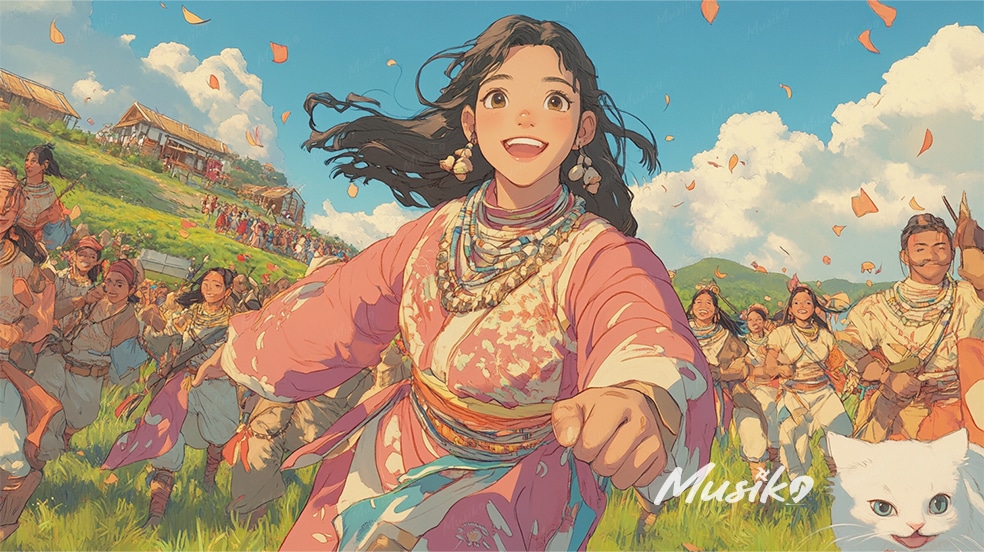
The main cultural event of Malungon is the Pyesta Kolon Datal, a vibrant celebration of unity in diversity and a tribute to upland farmers, weavers, and tribal warriors.
Festival Highlights:
- Ethnic dance competitions from Blaan communities
- Weaving demos and t’nalak fashion showcases
- Horse fights and tribal sports (a nod to their cultural past)
- Agri-trade exhibits highlighting local produce like corn, bananas, and sugarcane
- Parades and musical performances from schools and local artists
It’s an explosion of color, drums, and community spirit.
🍽️ What to Eat in Malungon
Malungon’s cuisine is deeply connected to the land. Meals are hearty, earthy, and sometimes smoky, straight from farms or open-flame cooking.
- Sinanglaw
A comforting beef soup with vinegar and spices, often served during town gatherings. - Inato-style chicken barbecue
Grilled to perfection, served with rice and native sauce. - Blaan specialties like nilutlot (bamboo-cooked rice and meat) and cassava cakes
Simple yet soulful. - Fresh fruits like bananas, durian, and marang straight from upland farms.
- Locally brewed native coffee and sweet treats from sugarcane by-products.
🎶 Music and Local Sounds
In Malungon, music echoes from the hills, often led by indigenous beats, farmers’ songs, and modern OPM.
- Agong and kulintang performances during cultural events
- T’nalak dance music performed live during festivals
- Acoustic covers of Visayan and Ilocano love songs in town events
- Guitar-strumming farmers serenading after a hard day’s work
Music is not just a hobby here, it’s a way of telling stories and passing down tradition.
🌟 What Malungon is Known For
- Kalon Barak Skyline, one of the most scenic highland views in Sarangani
- Rich Blaan indigenous heritage and t’nalak weaving
- Pyesta Kolon Datal, a celebration of highland culture and agriculture
- Being a major agricultural hub producing bananas, corn, and sugarcane
- Cultural villages that preserve and share Blaan traditions
- Cool climate and peaceful mountain life away from city noise
Malungon proves that you don’t need the sea to make waves, its culture, nature, and soul make it a destination worth celebrating.
📌 Travel Tips
- Best time to visit: June (for Pyesta Kolon Datal) or December to February for cooler weather
- How to get there: From General Santos City, it’s about 1 to 1.5 hours by van or private vehicle
- What to bring: Light jackets (it can get breezy), trekking shoes, cash for souvenirs, and cultural sensitivity when visiting tribal areas
